
How investing works — explained simply.
If this is the first time you have seriously considered investing, this page is for you. No jargon, no pressure and nothing to sign. Read it at your own pace, then ask us anything that is still unclear.
How investing works
No jargon, no assumptions. If you have never invested before, start here — five short explanations that cover everything you actually need to understand.
 1
1How your money is invested
You open an account in your own name and fund it. Your advisor agrees a written plan with you — how much you want to invest, for how long, and what the money is for. We then buy a diversified mix of assets on your behalf: shares in large established companies, low-cost index funds, income-producing property, bonds and cash. Nothing is bought that falls outside your written plan.
 2
2How returns are generated
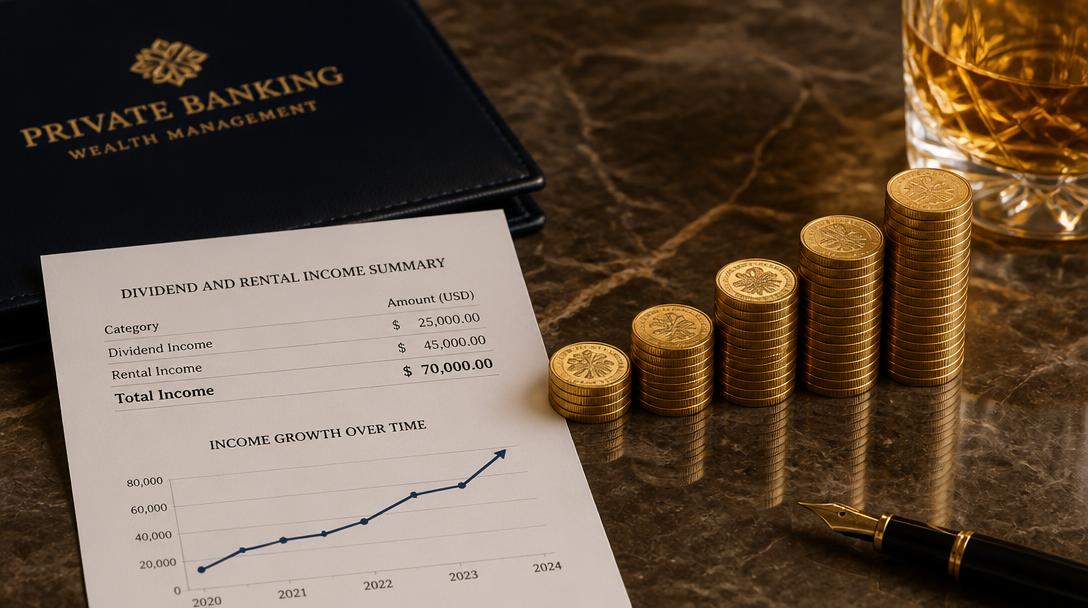
Three simple sources. Income: rent from property, dividends from companies, interest from bonds and cash. Growth: the value of quality assets rising over time. Reinvestment: returns credited back into your balance, which then earn returns of their own. Your monthly return is credited to your dashboard in weekly instalments so you can watch it accumulate.
 3
3What risk actually means here
All investing carries some risk — anyone who tells you otherwise is not being honest with you. What we do is keep that risk low and controlled: broad diversification so no single asset can hurt you, capital-preservation mandates for conservative investors, cash buffers, position limits and a committee that reviews every portfolio. Our conservative and moderate plans are built so that a bad month is uncomfortable, never catastrophic.
 4
4How withdrawals work
You request a withdrawal in your dashboard. Our operations team verifies it — two people must sign off — and funds are released to your bank account or wallet, typically within one to two business days. There is no penalty and no lock-up on our liquid plans. Real Estate has a defined hold period which is disclosed before you invest.
 5
5What happens in a market downturn
Downturns are expected and planned for, not feared. Conservative portfolios hold assets that behave defensively — income property, high-quality bonds, dividend payers and cash — which historically fall far less than the headlines suggest. We do not sell in panic; we rebalance, harvest tax losses and buy quality at lower prices. Every previous downturn in our 14-year history was followed by a recovery, and long-term clients who stayed invested came out ahead.
Eight words worth knowing
That is genuinely all the vocabulary you need to hold your own in any conversation about your portfolio.
- Share (or stock)
- A small piece of ownership in a company. If the company does well, your piece becomes worth more and may pay you a dividend.
- Dividend
- A cash payment a company sends to its shareholders out of its profits, usually every three months.
- ETF
- A single investment that holds hundreds of companies at once. Buying one gives you instant diversification at a very low cost.
- Bond
- A loan you make to a government or a large company. They pay you interest and return your money at the end of the term.
- Diversification
- Not putting all your eggs in one basket. Spreading money across many holdings so no single one can seriously hurt you.
- Custodian
- The independent institution that physically holds your money and investments. It is not us — and that is the point.
- Liquidity
- How quickly an investment can be turned back into cash in your bank account.
- Fiduciary
- A legal duty to put your interests ahead of our own. We are held to it; not every firm is.
The questions people actually ask us
Written for someone weighing up their retirement savings — not for a financial professional.
Email a licensed advisor directly at royalsteve1@proton.me. There is no obligation and nothing is sold on the call.
Schedule a consultation